
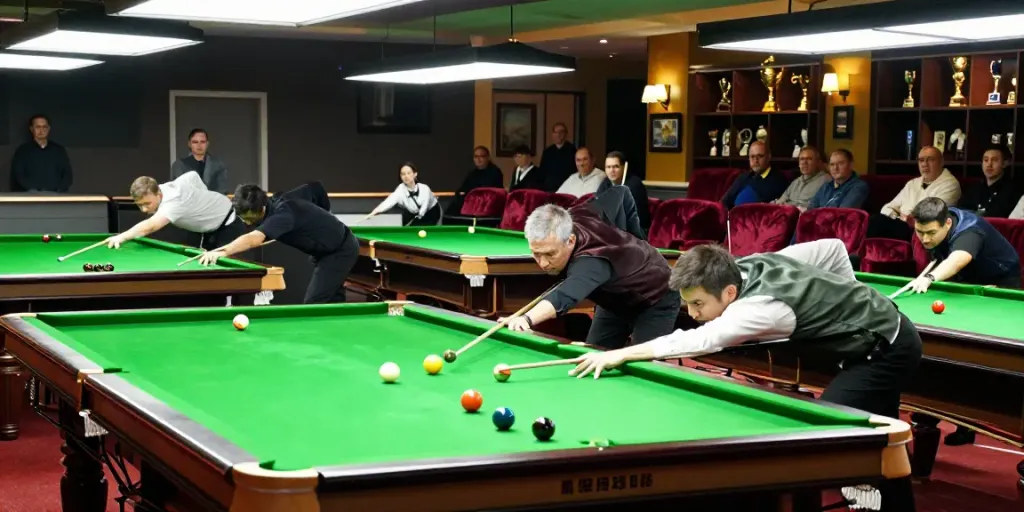
The Evolution of Snooker: Understanding Its Popularity According to Snooker Hub
Snooker has long been recognized as a sport that combines precision, strategy, and intense competition. Its rise to popularity can be attributed to a unique blend of history, cultural influence, and modern innovations. In this article, we will explore the evolution of snooker, shedding light on how it has captivated audiences over the years and what makes it a beloved pastime. When exploring options, according to Snooker Hub, the engagement of fans and the community has contributed significantly to its appeal.
Historical Context: How Snooker Became a Favorite
Snooker originated in the late 19th century, evolving from earlier cue games played in British army officers' messes in India. The game gained formal recognition in 1882 when the first rules were penned down, leading to the establishment of snooker as a competitive sport. Early competitions were held in the UK, and over the years, the game grew beyond this initial audience, spreading to other countries and solidifying its place in sporting history.
The first official tournament, the World Snooker Championship, was established in 1927, which provided a platform for professional players to showcase their skills. This event became a cornerstone of snooker culture and has seen legends such as Steve Davis, Ronnie O'Sullivan, and Stephen Hendry emerge, each contributing to the sport's storied past and popularity.
Modern Appeal: Snooker in the Digital Age
In recent years, snooker’s popularity has surged, driven by advancements in technology and the digital landscape. The emergence of social media platforms and streaming services has allowed fans to engage with the sport like never before. Major tournaments can now be watched from anywhere in the world, enhancing accessibility and increasing viewership numbers.
Moreover, digital platforms provide opportunities for players to interact with fans directly, sharing insights into their training and competitive experiences. This level of engagement creates a sense of community and belonging among enthusiasts, further solidifying snooker's appeal in the modern era.
Fan Engagement: Community Building in Snooker
Community plays a critical role in the success of snooker. Local clubs and leagues offer a space for players of all skill levels to come together, fostering friendships and competition. These grassroots initiatives are essential for promoting the sport and ensuring its continued growth.
Events such as amateur tournaments often attract large crowds, which serve to elevate local players to the next level. By investing in community engagement, snooker not only cultivates new talent but also deepens the connection fans have with the sport.
Key Strategies for Enjoying Snooker Competitions According to Snooker Hub
Watching Live Events: Enhancing Viewer Experience
Experiencing a snooker match live offers a unique thrill that cannot be replicated through a screen. The atmosphere in arenas filled with passionate fans creates an electric energy that enhances the overall experience. Attending live events allows fans to witness the nuances of gameplay up close, making it easier to appreciate the skill and precision involved.
To maximize enjoyment, fans should familiarize themselves with the specific tournament formats and rules. Understanding the context of each match can deepen appreciation for the strategies employed by players. This preparation can lead to a more interactive experience—cheering for favorite players and celebrating their successes.
Joining Local Leagues: Benefits of Community Play
Participating in local snooker leagues can significantly enhance one’s appreciation for the game. Not only does it provide a platform for improving skills, but it also fosters camaraderie among players. Engaging with others in a local setting allows for shared experiences and learning opportunities, paving the way for friendships that extend beyond the game.
Moreover, being part of a league can expose players to different styles and strategies, enabling them to adopt new techniques and enhance their overall gameplay. This firsthand experience can be pivotal, particularly for newcomers, as it promotes a supportive environment for growth.
Utilizing Technology: Apps and Online Resources
As the digital age advances, various tools and applications have become available to enhance the snooker experience. From statistics tracking to training aids, technology plays an essential role in helping players improve their game. Many apps provide detailed analysis of player performance, enabling targeted practice sessions to develop specific skills.
Online resources such as video tutorials and forums also create a wealth of information for players at all levels. Engaging with these platforms can provide valuable insights and facilitate community interaction, thus enriching the overall snooker experience.
Common Misconceptions About Snooker: Debunking Myths
Understanding the Skill Level Required
A common misconception about snooker is that it requires an unattainable level of skill, which can deter newcomers from picking up a cue. While it’s true that professional players exhibit tremendous talent and dedication, snooker is accessible to individuals of all skill levels. Beginners can enjoy the game and develop their skills over time through practice and engagement.
Furthermore, the social aspect of the game encourages players to learn from others, often fast-tracking their development. Joining local clubs or engaging with experienced players can demystify the game and inspire confidence among novices.
Shattering Stereotypes: Who Plays Snooker?
Another myth surrounding snooker is that it is predominantly played by older generations or professional athletes. In reality, the sport appeals to a diverse audience, including younger players and those from various backgrounds. Schools and colleges are increasingly incorporating snooker clubs into their extracurricular activities, helping to broaden its appeal and diversity.
This inclusive approach not only fosters interest among younger players but also promotes lifelong engagement with the sport, ensuring its longevity for future generations.
Accessibility of the Game for Beginners
Accessibility is crucial for the growth of any sport, and snooker is no exception. Clubs often provide equipment for beginners, allowing individuals to access the game without substantial upfront investment. Many facilities offer introductory lessons, helping newcomers to learn the basics and build confidence in their skills.
Additionally, the friendly and welcoming atmosphere in most snooker clubs encourages beginner participation, ultimately leading to a more vibrant community. This accessibility serves as a foundation for developing future talent and sustaining the sport’s popularity.
Advanced Techniques Every Snooker Player Should Master According to Snooker Hub
Understanding Angles: Geometry in Snooker
One of the most critical skills in snooker is understanding angles and how they affect gameplay. Players must learn how to read the table, calculating the best angles to pot balls while minimizing the risk of leaving their opponent with an advantageous position. Mastery of angles requires practice and experience, as it is integral to successful shot-making.
Practicing different types of shots and experimenting with various angles can help players develop a better understanding of the game, significantly enhancing their ability to strategize during matches.
Practicing Consistency: Drills for Skill Improvement
Consistency is the backbone of successful snooker play. Players should engage in specific drills designed to target various aspects of their game, such as potting accuracy, break-building, and safety play. Regularly practicing these drills not only strengthens technical skills but also builds confidence.
Setting aside time for focused practice sessions allows players to refine their techniques and develop muscle memory, ultimately leading to improved performance in competitive settings.
Equipment Tips: Choosing the Right Cue and Accessories
Having the right equipment can make a notable difference in a player’s performance. When choosing a cue, it’s essential to consider factors such as weight, length, and tip hardness. Each player has unique preferences, and experimenting with different cues can help find the one that feels best.
Additionally, investing in quality accessories, such as chalk, tip tools, and cases, can enhance the overall snooker experience. Proper care and maintenance of equipment ensure longevity and better performance.
The Future of Snooker: Trends and Predictions for 2026
Emerging Technologies: Innovations in Snooker
As we look towards 2026, technology will undoubtedly play a larger role in the evolution of snooker. Innovations in broadcasting, augmented reality, and player analytics are set to revolutionize how fans interact with the sport. For instance, virtual reality experiences may allow fans to immerse themselves in matches as if they were part of the action.
Furthermore, advancements in analytics will provide players with a greater understanding of their performance, enabling them to approach the game with data-driven strategies. These technological leaps will continue to captivate audiences and elevate the sport to new heights.
Changing Fan Demographics: The Next Generation of Snooker Players
The demographics of snooker fans are evolving as younger generations become more involved in the sport. With increased accessibility and the influence of social media, snooker is attracting a diverse range of players and fans. Initiatives targeting youth engagement, such as school partnerships and youth leagues, are essential for nurturing future talent.
As more young players enter the sport, we can expect a shift in playing styles, preferences, and cultural representations within snooker, enriching the overall community and ensuring its relevance moving forward.
Sponsorships and Growth: Financial Aspects of the Sport
Financial growth is crucial for the sustainability of snooker. Increased sponsorships and partnerships with brands will not only provide the necessary funds for tournaments but also elevate the sport’s profile in the global market. As snooker continues to attract interest, especially among younger audiences, brands will recognize the potential for partnerships.
This trend will enhance marketing strategies within the sport, leading to more lucrative opportunities for players, sponsors, and tournament organizers alike. With both grassroots and professional pathways receiving focus, snooker is poised for continued growth in the coming years.
What Is the 900 Rule in Snooker?
The 900 rule in snooker refers to the maximum number of points a player can score in a single frame. It is a theoretical limit that emphasizes the game's strategic depth, requiring players to think critically about their decisions on the table.
Who Is Banned from Snooker?
Bans in snooker typically arise from violations of the sport's regulations, including match-fixing and doping violations. Notable figures have faced bans, which serve as critical reminders of the importance of integrity in sports. Keeping abreast of any officially sanctioned bans is essential for fans and players alike.
What Is the Kiss Rule in Snooker?
The kiss rule involves a scenario where one ball strikes another ball that is in contact with a third ball. Understanding this rule is vital for players as it affects shot-making strategies and outcomes in matches.
What Are Some Common Terms Used in Snooker?
Familiarizing oneself with the terminology used in snooker enhances the viewing and playing experience. Common terms include "break," referring to the number of points scored in a continuous sequence, "cue ball," which is the ball the player strikes, and "snookered," a situation where a player is unable to make a legal shot due to obstruction.